Losing power in part of your home can be frustrating and sometimes alarming. Many homeowners immediately assume there is a serious electrical issue when lights stop working or outlets suddenly lose power. However, in many cases the problem is much simpler. A tripped GFCI outlet or a flipped circuit breaker is often the cause of localized power loss. Understanding a few basic troubleshooting steps can help homeowners identify the issue quickly before assuming a larger electrical problem.
Why Power Loss Often Comes From Small Electrical Safeguards
Modern homes include several built-in safety systems designed to prevent electrical hazards. Circuit breakers and GFCI outlets are two of the most common protective features found in residential electrical systems.
When these devices detect potential problems—such as electrical overloads, ground faults, or moisture—they automatically shut off power to protect the home from damage or fire risk. While this safety feature is helpful, it can sometimes cause confusion when certain outlets or rooms suddenly stop working.
Fortunately, these shutdowns are often temporary and can usually be resolved by resetting the appropriate device.
What To Check First When Power Goes Out
Before assuming there is a major electrical issue, homeowners can perform a few quick checks to identify the cause.
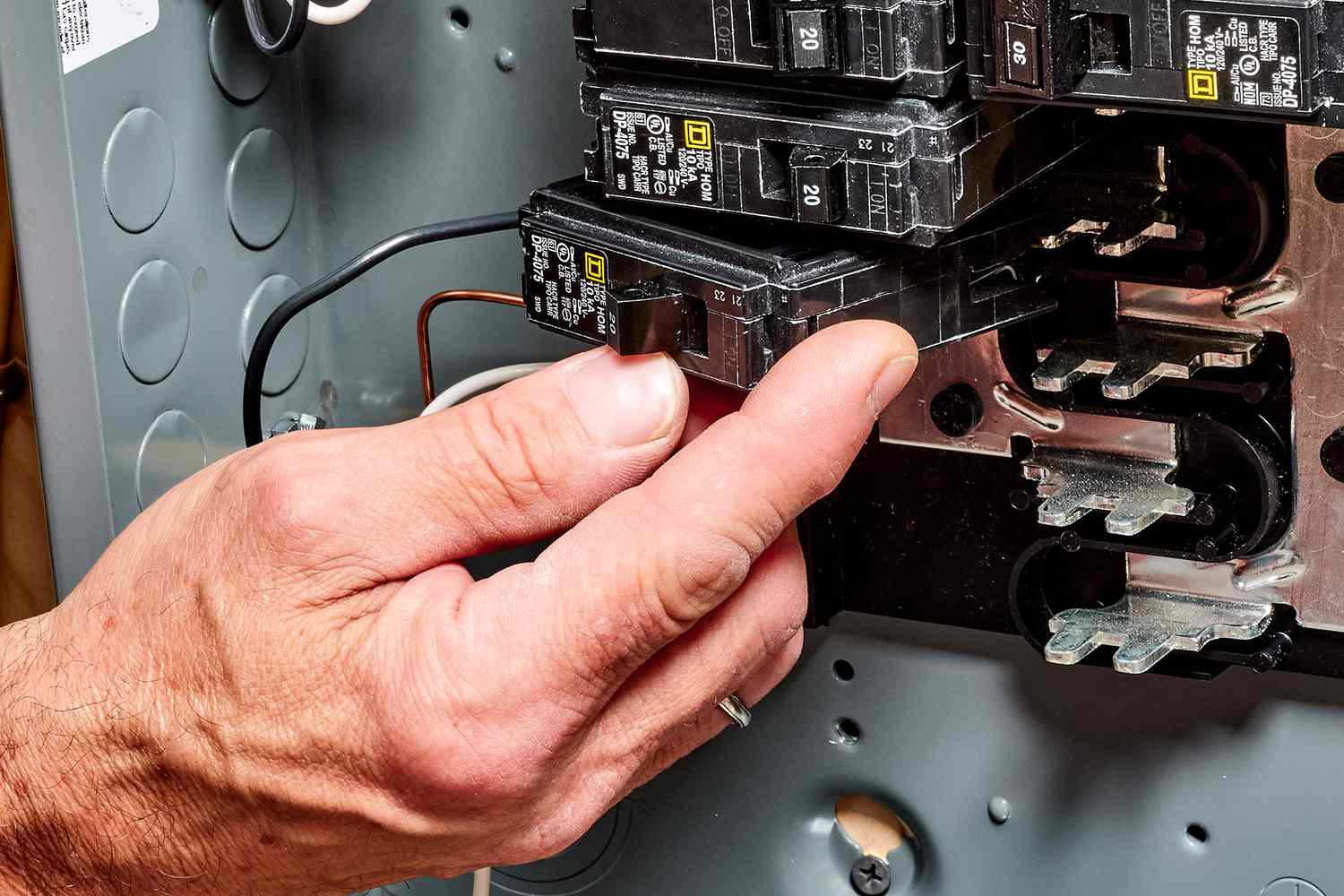
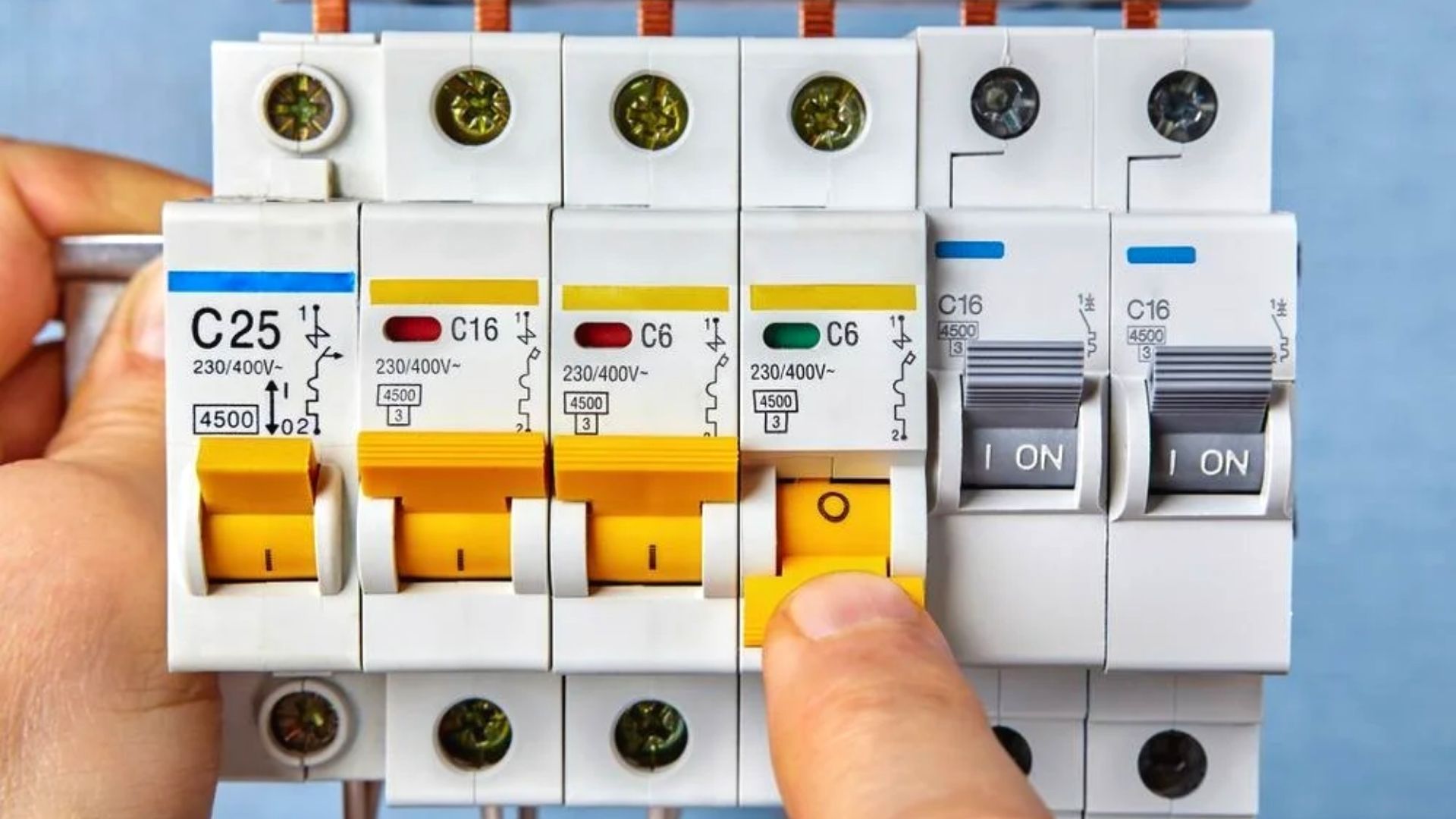
- Check Your Circuit Breaker Panel: Electrical panels contain breakers that automatically trip when circuits are overloaded. If a breaker is in the “off” or middle position, resetting it may restore power to the affected area.
- Look For GFCI Outlets: Kitchens, bathrooms, garages, and outdoor outlets often contain GFCI outlets with small “test” and “reset” buttons. If the outlet has tripped, pressing the reset button may restore power to multiple outlets connected to the same circuit.
- Inspect Recently Used Appliances: Plugging in high-powered appliances such as space heaters, hair dryers, or power tools can sometimes overload a circuit. Disconnecting the appliance and resetting the breaker may solve the issue.
When The Issue Might Be Something More
While many power interruptions are easily fixed, repeated breaker trips or outlets that won’t reset can indicate a deeper electrical problem. Issues such as faulty wiring, overloaded circuits, damaged outlets, or aging electrical panels may require professional attention.
Ignoring recurring electrical problems can create safety risks, including overheating wires or potential fire hazards. If power continues to go out even after resetting breakers or GFCI outlets, it’s best to have the system inspected by a qualified professional.
When To Call A Professional
- Breakers Continue To Trip: Frequent breaker trips may signal overloaded circuits or wiring issues that require expert evaluation.
- GFCI Outlets Won’t Reset: If the reset button won’t stay engaged, there may be a ground fault or wiring problem within the circuit.
- Power Loss Spreads To Multiple Areas: If several rooms or circuits lose power simultaneously, a larger electrical issue may be developing.
Simple Checks Can Prevent Bigger Problems
Electrical systems are designed with safety in mind, which means many power interruptions are simply the result of protective devices doing their job. Checking your breaker panel and nearby GFCI outlets can often restore power quickly without major repairs. However, if the issue continues or seems unusual, contacting experienced professionals like Copper Creek Construction can help identify and resolve the problem safely. Taking quick action when electrical issues arise helps keep your home protected and functioning properly.