Many homeowners focus on the big components of their water heater, like the tank or heating element, but often overlook one small part that can prevent costly repairs: the anode rod. At Copper Creek Construction in Las Vegas, we know that neglecting this simple component can lead to premature tank failure, especially in areas with hard water.
Why the Anode Rod is Critical
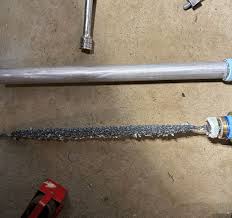
The anode rod is a sacrificial metal rod inside your water heater that attracts corrosive elements in the water, preventing the tank itself from rusting. Over time, the rod wears down, and if it’s not replaced, the tank can corrode, leading to leaks and a total water heater replacement.
Signs You Need to Replace the Anode Rod
Homeowners often miss the anode rod until it’s too late. Look out for:
- Rusty or discolored water
- Strange odors coming from hot water
- Age of the water heater (typically 5–7 years for anode rod replacement)
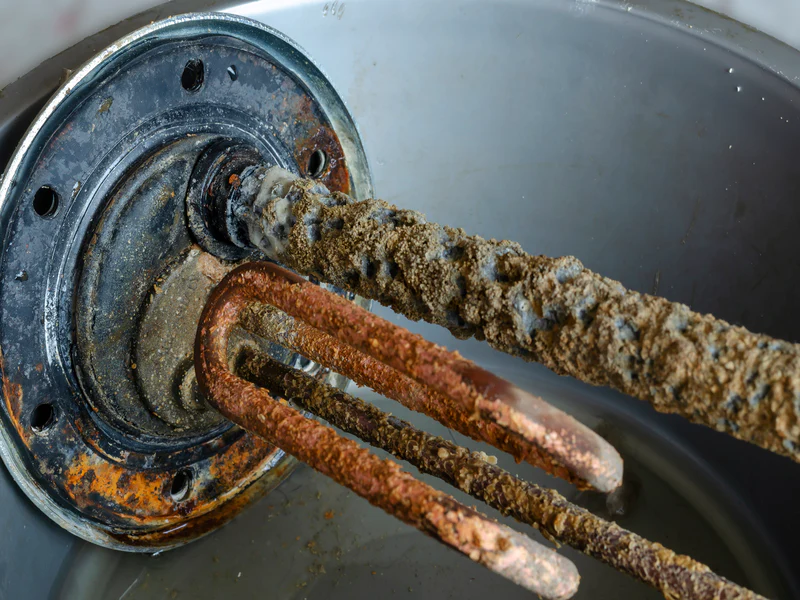
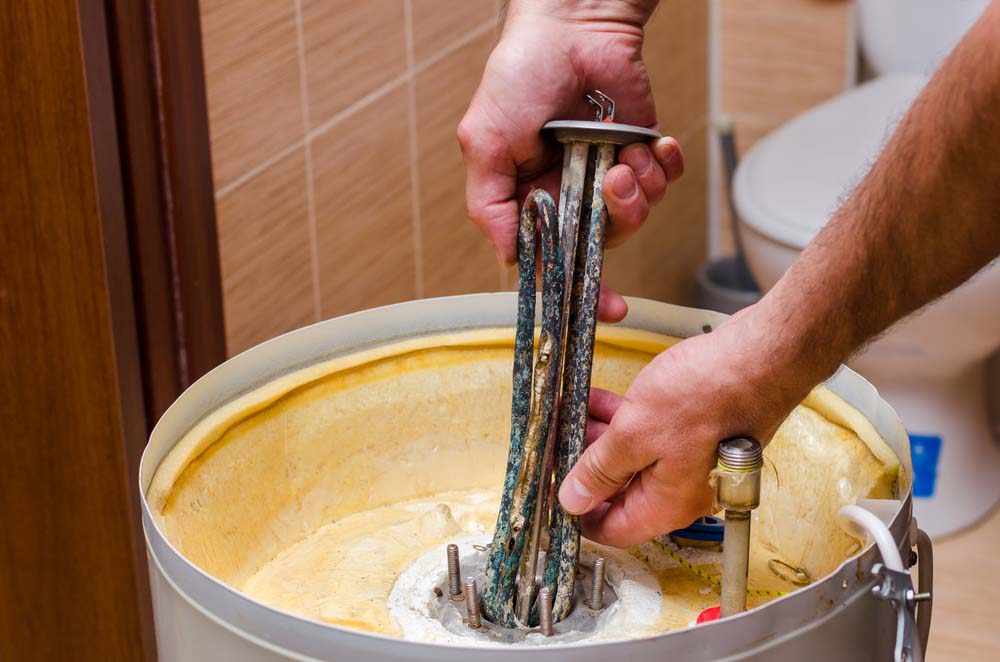
- Visible corrosion during inspection
Anode Rods Wear Faster in Las Vegas
The mineral-rich, hard water in Las Vegas accelerates anode rod depletion. This means homeowners need to check and replace their rods more frequently than in other regions. By addressing this small part regularly, you can extend the life of your water heater by years and save thousands in replacement costs.
How Copper Creek Can Help
Our team inspects water heaters for worn anode rods and other maintenance needs. With professional guidance, we can:
- Replace anode rods before corrosion damages your tank
- Advise on the best rod material for your water quality
- Perform routine maintenance to prolong water heater life
- Ensure your water heater operates efficiently and safely
Conclusion: Don’t Forget the Anode Rod
It’s easy to overlook the anode rod, but this small part is a big deal for your water heater’s longevity. Copper Creek Construction helps Las Vegas homeowners stay proactive with maintenance, saving money, avoiding emergencies, and keeping hot water flowing reliably.