
Available 24 | 7 | 365

How Early Detection Tools Can Help Catch Water Damage Before It Gets Worse

Water damage is one of the most common and costly problems homeowners face. What often begins as a small leak behind a wall or under a sink can quickly grow into a major issue if it goes unnoticed. In many cases, early detection is the difference between a simple repair and a full restoration project. Tools designed to detect hidden moisture are becoming increasingly valuable for homeowners and property managers who want to protect their property and respond quickly before water damage spreads.

The Importance Of Detecting Water Damage Early

Water damage rarely appears overnight. It usually starts slowly — a leaking pipe, roof issue, or appliance malfunction that allows moisture to seep into walls, flooring, or insulation. Without early detection, this moisture can lead to structural damage, mold growth, and costly repairs.

By identifying water problems early, homeowners can stop the source of the leak and prevent additional damage to the property. Early detection also helps document the issue properly, which can be important when filing insurance claims. Something simple like a moisture detector can save when making claims because it provides clear evidence of when and where moisture was detected before the damage worsens.

Common Early Detection Tools For Water Damage

Several tools can help homeowners and contractors identify moisture before visible damage appears.

  • Moisture Detectors: Handheld moisture detectors are designed to measure the amount of moisture within materials like drywall, wood, and flooring. These devices allow inspectors and contractors to quickly determine whether hidden water is present behind surfaces.

  • Thermal Imaging Cameras: Thermal imaging technology helps detect temperature differences within walls and ceilings. Areas affected by moisture often show different temperature patterns, making it easier to locate leaks without opening up the structure.

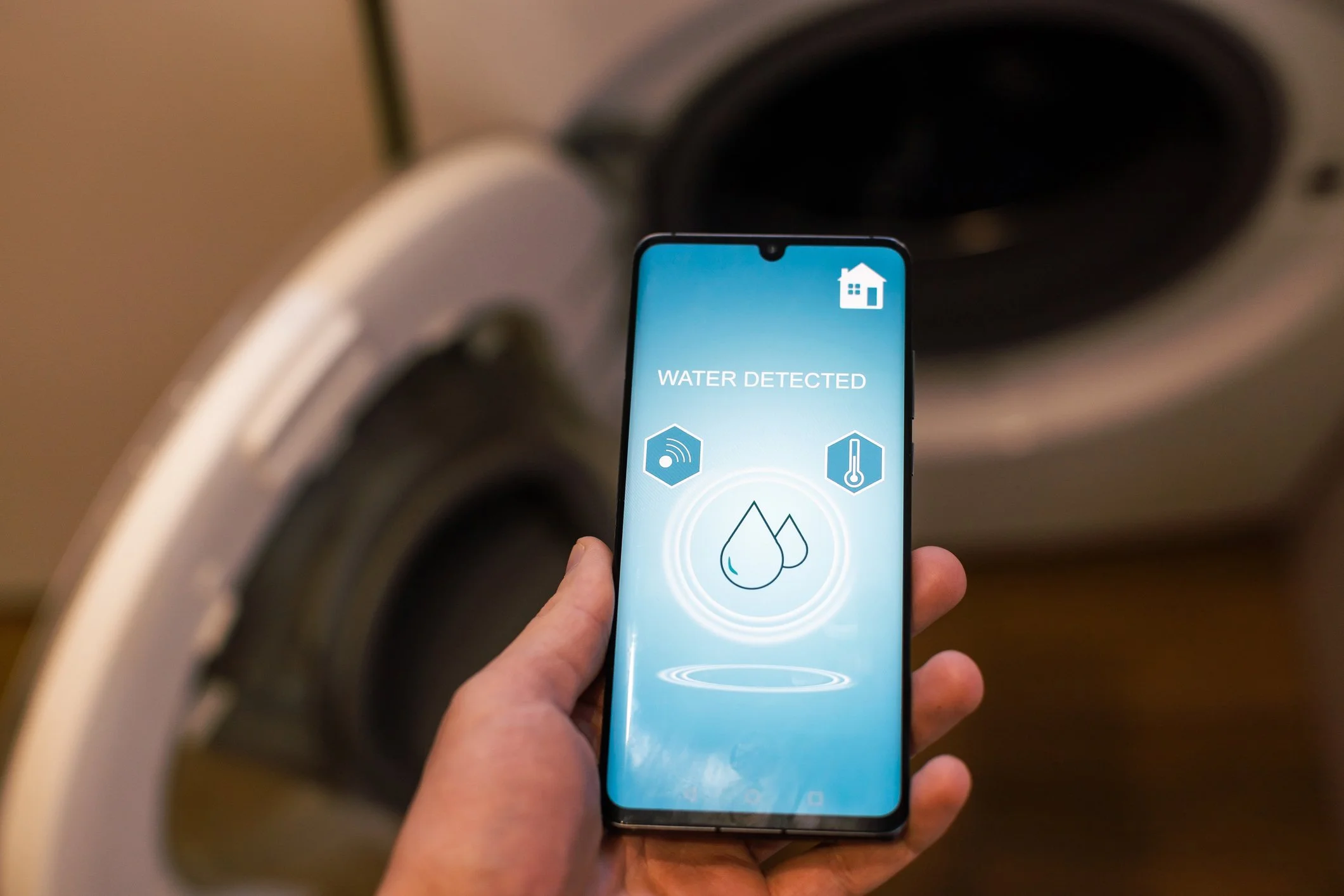
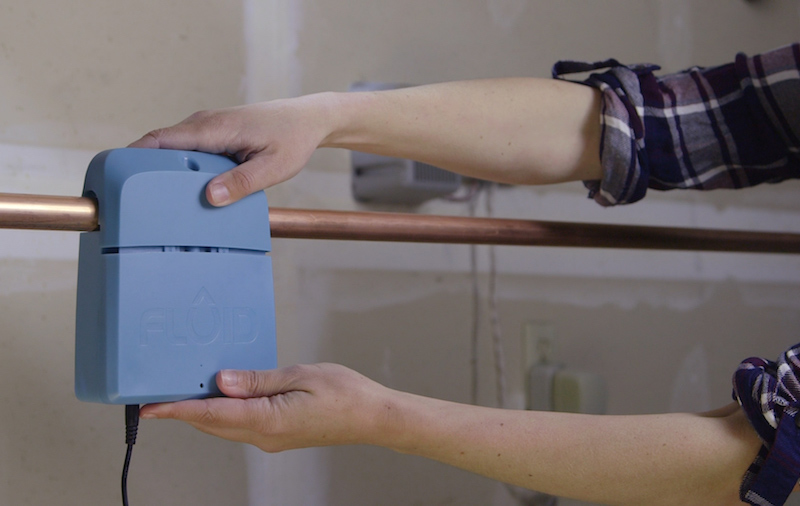
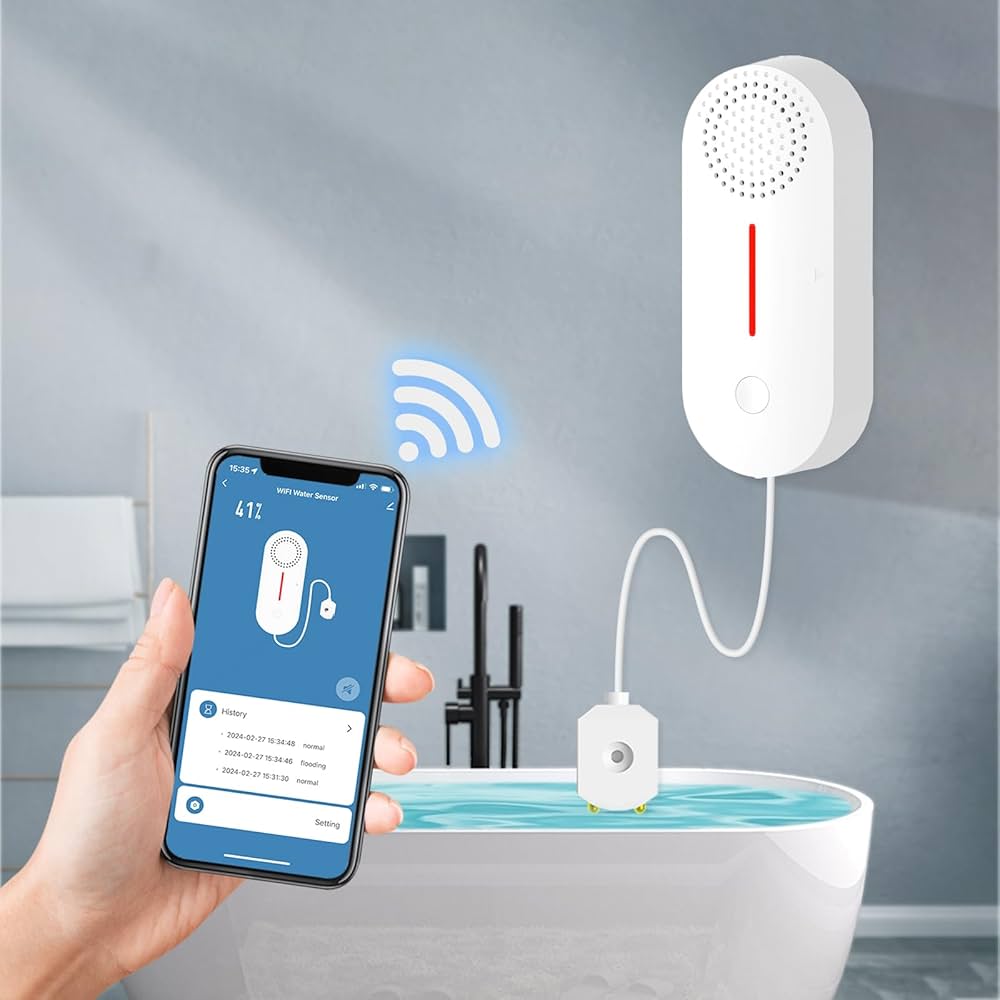
  • Smart Leak Sensors: Many homeowners now install smart leak sensors near appliances, water heaters, and plumbing fixtures. These sensors can send alerts to a mobile device when water is detected, helping homeowners respond immediately to potential leaks.

How Early Detection Helps With Insurance Claims

When water damage occurs, insurance companies often require documentation showing the cause and extent of the damage. Early detection tools can play an important role in providing that documentation.

Moisture readings, inspection reports, and leak detection records can demonstrate that the issue was identified quickly and addressed promptly. This information helps establish a timeline of events, which may strengthen a homeowner’s claim. Contractors and restoration professionals also rely on these tools to verify moisture levels before and after repairs, ensuring the property has been properly restored.

Practical Ways Homeowners Can Monitor For Water Damage

  • Perform Routine Inspections: Regularly checking areas around sinks, appliances, water heaters, and plumbing lines can help catch leaks early before moisture spreads into surrounding materials.

  • Use Affordable Detection Devices: Moisture meters and leak sensors are widely available and relatively inexpensive compared to the potential cost of major water damage repairs.

  • Act Quickly When Moisture Is Detected: If a moisture detector indicates elevated levels behind a wall or under flooring, contacting a professional quickly can prevent the issue from escalating into structural damage or mold growth.

Preventing Major Damage Starts With Early Action

Water damage often develops quietly, but the consequences can be significant if it goes undetected. Early detection tools give homeowners and contractors the ability to identify problems before they escalate, saving time, money, and stress. Whether it’s a simple handheld moisture detector or a smart leak sensor, these tools provide valuable insight into hidden moisture and help ensure that small problems are addressed before they turn into major repairs.
Tags :
Emergency Advice